
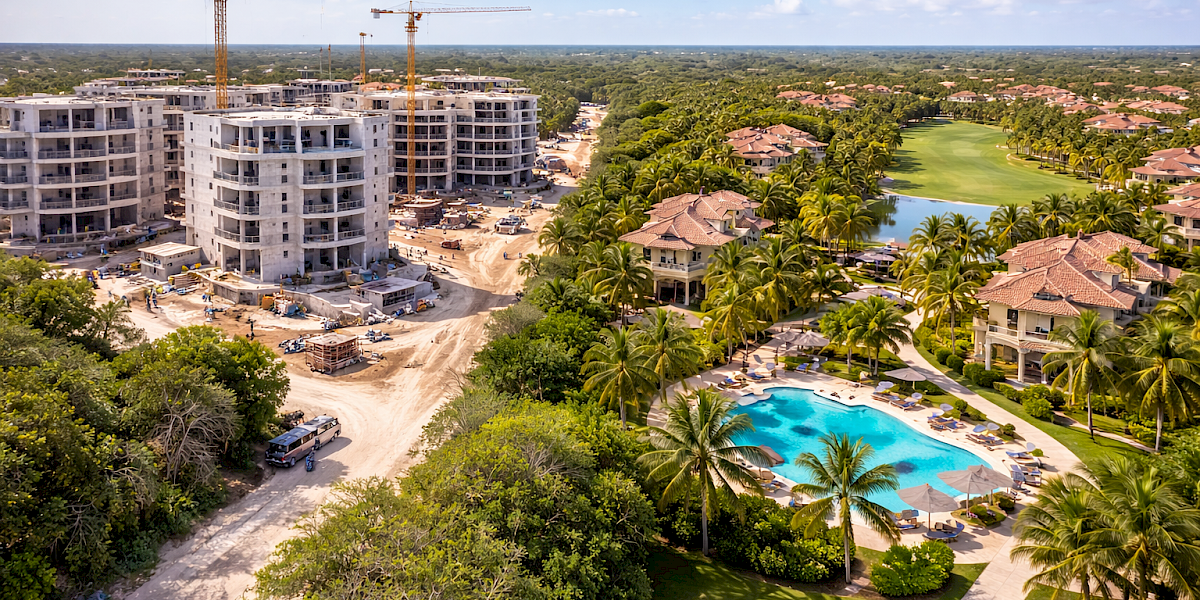
Speculative Areas vs. Consolidated Communities: How to Read the Difference
Not all real estate growth signals opportunity. In the Riviera Maya, the difference between speculative areas and consolidated communities can determine whether a property delivers sustainable returns—or becomes a long-term liability.
Speculative areas are often characterized by rapid construction, aggressive marketing, and promises of future infrastructure that has yet to materialize. These zones may experience brief surges in interest, but rental demand is frequently inconsistent and heavily dependent on pricing incentives.
In contrast, consolidated communities have already passed the trial phase. They feature established infrastructure, functioning homeowners associations, and a proven history of residential and rental use. Demand in these areas is driven by livability, not novelty.
Key indicators of a consolidated community include:
Completed surrounding developments
Clear and enforced HOA regulations
Stable service costs and maintenance standards
A visible mix of residents and returning guests
Speculative markets often rely on projections, while consolidated communities rely on data. Rental performance, average occupancy, and operational costs are observable—not hypothetical.
From a legal and operational standpoint, buying in a consolidated area also reduces risk. Rules regarding vacation rentals, noise, common areas, and maintenance responsibilities are already tested in practice, minimizing conflicts and uncertainty.
For investors navigating the Riviera Maya in 2026, the ability to distinguish between speculation and consolidation is essential. Sustainable returns are rarely found in unproven markets; they are built in communities that have already demonstrated resilience through market cycles.
Understanding this distinction allows buyers to move beyond marketing narratives and focus instead on real performance indicators—the foundation of any sound real estate investment strategy.

Aarón is a born and raised "chilango". After finishing his university studies, what started as a social service trip became his new home and where he started a family in Playa del Carmen. He enjoys the delicious food and culture of the Yucatan peninsula with his wife, daughter, and son. As a professional, he has made a career as a specialist in social networks and electronic media, helping the companies he has worked for to efficiently achieve all their objectives in the medium.